Avoid common rubbish removal mistakes in Hoddesdon
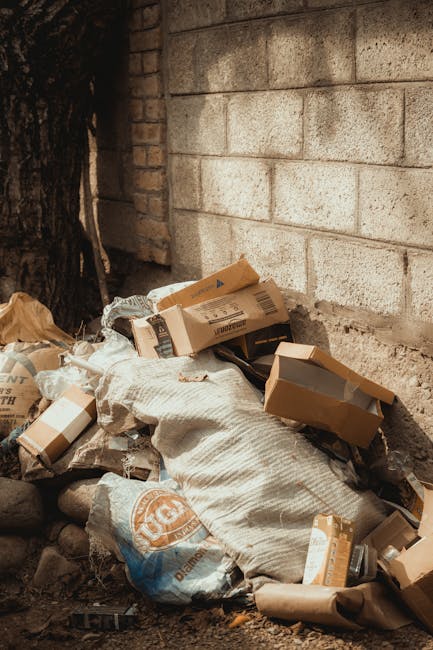
Rubbish removal looks simple until it isn't. One minute you've got a tidy pile of old furniture, a few bags of mixed junk, and a stubborn broken wardrobe; the next, you're dealing with missed collections, surprise costs, access problems, or worse, waste that was never handled properly. If you want to avoid common rubbish removal mistakes in Hoddesdon, the good news is that most of them are preventable with a bit of planning and the right expectations.
This guide breaks the process down in plain English. You'll see what usually goes wrong, how to prepare properly, where people lose time and money, and what a sensible, low-stress clearance looks like in real life. Whether you're clearing a home, a garage, a loft, a flat, or a work space, it helps to know the pitfalls before the lorry turns up.
And yes, sometimes the difference between a smooth job and a frustrating one is just a ten-minute check of the details. Sounds boring. Saves headaches.
- Why it matters
- How rubbish removal works
- Key benefits and practical advantages
- Who this is for and when it makes sense
- Step-by-step guidance
- Expert tips for better results
- Common mistakes to avoid
- Tools, resources and recommendations
- Law, compliance, standards and best practice
- Options and comparison table
- Case study or real-world example
- Practical checklist
- Conclusion
- Frequently asked questions
Why Avoid common rubbish removal mistakes in Hoddesdon Matters
Rubbish removal is one of those jobs that can look straightforward from the outside. In reality, it touches a lot of moving parts: access, sorting, lifting, disposal routes, timing, pricing, and in some cases safety or compliance. When any one of those is overlooked, the job gets harder and more expensive than it needed to be.
In Hoddesdon, that matters for the same reasons it matters anywhere else: homes are often a mix of tight driveways, shared access, flats, gardens, garages, lofts, and busy schedules. A clearance that was meant to be "quick" can easily turn into a half-day problem if the waste wasn't described properly or the route out of the property was underestimated.
There's also the trust factor. If you're handing over waste, you want confidence that it will be removed responsibly. That means clear communication, sensible sorting, and using a service that actually fits the job. If you skip the basics, you may end up paying twice: once for the original removal, and again to fix what went wrong.
Expert summary: The most expensive rubbish removal mistakes are usually not dramatic ones. They're small planning errors: the wrong estimate, poor access, mixed waste, or choosing the wrong type of clearance for the job.
That's why a little preparation goes a long way. Truth be told, most people only need a few simple checks to avoid the usual problems.
Table of Contents
- Why Avoid common rubbish removal mistakes in Hoddesdon Matters
- How Avoid common rubbish removal mistakes in Hoddesdon Works
- Key Benefits and Practical Advantages
- Who This Is For and When It Makes Sense
- Step-by-Step Guidance
- Expert Tips for Better Results
- Common Mistakes to Avoid
- Tools, Resources and Recommendations
- Law, Compliance, Standards, or Best Practice
- Options, Methods, or Comparison Table
- Case Study or Real-World Example
- Practical Checklist
- Conclusion
- Frequently Asked Questions
How Avoid common rubbish removal mistakes in Hoddesdon Works
At a practical level, rubbish removal usually starts with identifying what needs to go, where it is, and how much space it takes up. From there, the job is typically assessed by volume, type of material, and access conditions. Furniture, household junk, garden waste, construction debris, office waste, and bulky items all behave differently once loading begins.
For example, a single sofa and a mattress are not the same as a mixed pile of bagged waste, wood offcuts, and broken shelving. The first is straightforward. The second may need more careful loading, different handling, and more time. That distinction matters when you're planning the removal and comparing options.
If you're dealing with a broader property clearance, services such as house clearance or home clearance can be a better fit than trying to manage item-by-item disposal yourself. For awkward upstairs spaces, loft clearance or garage clearance may be the more sensible route. The point is simple: match the service to the waste, not the other way round.
Most mistakes happen before removal day. People underestimate volume, forget to mention access restrictions, assume everything can be thrown in together, or leave it too late to arrange the job. That's when delays start. And delays, as you probably know, are never as innocent as they first sound.
Key Benefits and Practical Advantages
When rubbish removal is planned well, the benefits are immediate. The space is cleared faster, the cost is usually easier to control, and the whole experience feels less disruptive. You also reduce the chances of damage to walls, doors, stair rails, or flooring, which is one of those hidden risks people forget about until it happens.
Here are the main advantages of doing it properly:
- Fewer delays: accurate descriptions and access details make collection smoother.
- Better value: the right service avoids paying for repeated visits or unnecessary labour.
- Safer handling: bulky and awkward items are moved with fewer risks.
- Cleaner sorting: reusable, recyclable, and general waste can be separated more effectively.
- Less stress: you know what is happening, when it is happening, and what to expect.
If you are clearing specific items, it can also help to use a service that matches the material. For example, old sofas, tables, and wardrobes may suit furniture clearance or furniture disposal, while renovation debris is better handled through builders waste clearance. Small but important difference.
There is also a satisfaction benefit that people don't always mention. Once the clutter is gone, a room tends to feel bigger, calmer, and easier to use. You notice the light more. The floor space feels real again. It's a small thing, but not really.
Who This Is For and When It Makes Sense
This guide is for anyone in Hoddesdon who has waste to remove and wants to avoid the common traps. That might be a homeowner clearing a spare room, a landlord dealing with end-of-tenancy leftovers, a family sorting a loft, or a local business moving out old stock and office furniture.
It also makes sense if you're standing in a room thinking, "I could probably do this myself." Sometimes you can. But once items are bulky, heavy, dirty, or awkwardly stored, the equation changes. A couple of bags are manageable; a packed garage full of mixed items is another story entirely.
Typical situations include:
- pre-sale or pre-let property clearance
- post-renovation rubbish and rubble
- garden waste after a big tidy-up
- old furniture that is too heavy to shift safely
- office or business waste that needs proper handling
- flat clearances where access is limited and time matters
If you're in a flat, access and neighbours can be part of the challenge, which is why flat clearance can be a better fit than a general waste move. If it's business-related, business waste removal is usually the smarter starting point.
In short: if the job has any awkwardness at all, some planning is worth it. And if the job looks too big for one person? It probably is.
Step-by-Step Guidance
Here's a straightforward way to approach rubbish removal without tripping over the usual mistakes.
- List everything that needs to go. Walk the property slowly and write down the items or piles, room by room. Don't just say "some junk." That phrase is the enemy of accuracy.
- Sort the waste into rough categories. For example: furniture, general household waste, garden debris, builders waste, electrical items, or mixed items.
- Check access. Is there a driveway? A narrow staircase? A basement? A side gate? A lift? These details matter more than most people realise.
- Decide what can be reused, recycled, or disposed of separately. Doing this early can cut confusion later and may support better recycling outcomes.
- Get the right type of clearance for the job. A full property job may need house clearance or home clearance; a small cluster of items may only need a lighter collection.
- Be honest about size and condition. Oversized wardrobes, broken shelving, damp garden waste, or rubble all take more effort than people expect.
- Confirm the pricing basis. Ask whether the quote is based on volume, labour, item type, access, or a combination. That way there are fewer surprises.
- Prepare the area before collection. Clear a route, move fragile items out of the way, and make sure the waste is easy to see and load.
- Keep important items separate. Papers, keys, chargers, personal documents, sentimental bits - the little things have a habit of hiding in piles.
- Check the result before the team leaves. A quick look through the cleared space helps catch missed items while everyone is still on site.
If you've got furniture that's still in decent shape, it may be worth discussing reuse or recovery options before disposal. Even when that's not possible, a clear plan avoids the classic "where did that come from?" moment when the wrong thing gets picked up.
Expert Tips for Better Results
A few small habits make a big difference. Here are the ones that tend to save the most time.
Measure the awkward items
Don't guess the size of a sofa, wardrobe, mattress, or fridge. A rough measurement is enough. This is especially useful when the item has to turn corners, fit down stairs, or pass through a narrow hallway. In a lot of homes, that single detail decides whether the job is easy or mildly chaotic.
Photograph the waste in daylight
A few clear photos taken in good light are often more useful than a long description. You can show the size, condition, and density of the waste. Early morning or late afternoon light can make everything look smaller than it is, so aim for neutral daylight if you can.
Don't mix everything together
Mixed waste can be handled, but it usually takes more sorting. If possible, separate clean cardboard, wood, garden waste, and bulky furniture. It doesn't need to be perfect. Just don't create a mysterious mountain where no one can tell what's inside.
Think about the exit route
People often focus on the pile and forget the journey out. Doors, stairwells, communal entrances, and parked cars can all slow a collection down. One slightly annoying chair in the wrong place can add friction to the whole job.
Ask about recycling and sustainability
Responsible disposal is not just a nice extra. It should be part of the conversation. If sustainability matters to you, look for clear information about handling, sorting, and disposal practices. You can also review the company's recycling and sustainability approach to understand how waste is treated.
Small tip, slightly obvious but still missed: if you are doing a loft or garage clear-out, keep a separate "keep" box nearby. It cuts down on accidental throw-outs. Happens all the time.
Common Mistakes to Avoid
Here's the part most people actually need. These are the mistakes that cause most of the frustration, cost creep, or last-minute panic.
| Mistake | What it causes | Better approach |
|---|---|---|
| Underestimating the volume | Unexpected extra time or cost | Walk through the space and list every pile or item |
| Not mentioning access problems | Delayed loading, extra labour, or failed collection | Explain stairs, parking limits, gates, lifts, and tight corners early |
| Mixing all waste types together | Slower sorting and less efficient disposal | Separate bulky furniture, garden waste, builders waste, and general rubbish where possible |
| Leaving valuables or documents in the pile | Lost items and unnecessary stress | Check drawers, bags, pockets, and boxes before collection day |
| Choosing the wrong service | Poor fit, slower work, and extra charges | Match the service to the property and waste type |
| Assuming everything is recyclable or disposable in the same way | Confusion and bad disposal decisions | Ask how different materials are handled |
| Booking too late | Pressure, rushed sorting, and more mistakes | Book once you know the scope of the job |
Two more mistakes deserve a mention because they're common and annoying: failing to check what's excluded, and not reading the terms before confirming the booking. Nobody enjoys that part, admittedly, but it's far better than arguing about the end result later.
Also, if you are arranging clearance for renovation leftovers, do not treat builders waste like garden waste. It's not just a label issue; it affects handling and disposal expectations.
Tools, Resources and Recommendations
You do not need fancy equipment to prepare well. Most jobs can be organised with a few simple tools and a clear plan.
- Notepad or phone notes: useful for listing items, room by room.
- Measuring tape: handy for bulky furniture and tight access points.
- Basic gloves: useful if you're sorting through dusty lofts, garages, or garden waste.
- Strong bin bags or boxes: good for smaller loose items, papers, and mixed household clutter.
- Marker pen and tape: helps label what stays and what goes.
- Phone camera: great for photos, especially if you want to show item condition or access issues.
For planning a larger clearance, it may also help to think in zones: upstairs, downstairs, outdoor areas, and bulky items. That simple split prevents the "where do we even start?" feeling when the team arrives.
If you're comparing services, the most practical pages to review are usually the ones that describe the type of clearance you actually need. For example, garden-heavy jobs may align with garden clearance, while office desks, chairs, and files are better handled through office clearance. A tidy match saves a lot of back-and-forth.
And if you want a sense of how the company approaches service standards, it's worth looking at the pages covering about us, insurance and safety, and health and safety. Those pages help you judge professionalism without having to read between the lines too much.
Law, Compliance, Standards, or Best Practice
Rubbish removal in the UK comes with real responsibilities, even if the job looks ordinary. You do not need to be an expert in waste law to make sensible choices, but it helps to follow accepted best practice.
As a rule, waste should only be handed to someone who is properly set up to take it away and manage it responsibly. If you're a business, your obligations are usually tighter than a domestic one, and records or paperwork may matter more. If you're a homeowner, the key point is still the same: don't assume waste will be dealt with properly just because it disappears from sight.
Best practice usually includes:
- describing the waste honestly
- separating hazardous or unusual items where needed
- avoiding fly-tipping risks by using a legitimate removal route
- keeping clear communication about what is included
- checking service terms before agreeing to collection
For builders waste, electrical items, chemicals, paints, or heavy mixed materials, more care is needed. If you're unsure whether something is suitable for a standard clearance, ask before collection day. That simple question can save a lot of trouble.
There is also a practical safety angle. Heavy lifting, sharp edges, dust, and awkward stairs can all create avoidable risk. That is why clearances should be planned with realistic handling in mind rather than optimism. Optimism is lovely. It is not a lifting technique.
Options, Methods, or Comparison Table
There are a few ways people handle rubbish removal. The right choice depends on what you need cleared, how quickly, and how much physical effort you want to avoid.
| Method | Best for | Main drawback | Good fit when |
|---|---|---|---|
| Self-removal | Small amounts of light waste | Time, lifting, transport, disposal logistics | You have a few manageable items and access to a suitable vehicle |
| Skip hire | Longer projects with space for a skip | Space restrictions, permits, loading limitations | You're doing a project over several days or weeks |
| Professional rubbish removal | Bulky, mixed, or awkward waste | Needs proper description and planning | You want a quicker, tidier, less hands-on solution |
For a lot of Hoddesdon households, professional removal is the most balanced option because it reduces lifting, avoids transport hassles, and copes better with mixed waste. For a business or an office, it can also reduce disruption to staff and customers. If the waste is mainly office furniture and equipment, office clearance is often more efficient than trying to split the job into smaller ad hoc trips.
That said, there is no one perfect method. A few bags and a small van journey? Fine, maybe DIY. A full garage with a broken treadmill, old paint tins, and three shelving units? That's where most people start muttering under their breath and calling for help. Fair enough, honestly.
Case Study or Real-World Example
Here's a realistic example from the kind of job people face all the time.
A homeowner in Hoddesdon had been meaning to clear the garage for months. There were old chairs, flattened boxes, rusty tools, a broken chest of drawers, and a handful of bagged garden cuttings. At first glance it looked like "a small job." Then they started moving things and found a second layer of clutter under the first. You know the sort: cables, a paint tray, winter pots, bits of timber, and a bag of items they weren't sure whether to keep.
The first mistake would have been to book the job as a simple furniture collection. The better move was to describe it as a mixed garage clearance, note the tight driveway, and mention that some items were damp from storage. That changed the whole setup. The collection was planned properly, the lifting route was clearer, and the team knew what to expect before arriving.
The result was not dramatic, just tidy and efficient. No last-minute reshuffling, no awkward "oh, that's not included" conversation, and no piles left behind because they were hidden in the corner. Sometimes that's all people want: a job that quietly works.
If the space had been a loft instead, the same principles would have applied but with greater attention to access and lifting. That's why service matching matters so much. A job that looks ordinary from the doorway can be a very different story once you start moving around inside it.
Practical Checklist
Use this checklist before collection day to reduce the chance of mistakes.
- List every item or pile that needs removing
- Separate keep, donate, recycle, and dispose piles where possible
- Measure bulky items and awkward access points
- Take clear photos in good light
- Confirm whether the job is domestic, commercial, furniture-related, or builders waste
- Check for stairs, narrow hallways, parking issues, gates, or lift access
- Remove valuables, documents, medicines, and personal paperwork
- Ask what is excluded or needs special handling
- Clear a safe route to the items
- Keep a quick note of what should stay and what should go
- Review the quote and service terms carefully
- Do a final walk-through before the team leaves
If you can tick most of those off, you are already ahead of the average job. Not glamorous, but effective.
Get a free quote today and see how much you can save.
Conclusion
The best way to avoid rubbish removal mistakes in Hoddesdon is to slow down at the planning stage and be precise about the job. That means knowing what you've got, how much of it there is, where it is located, and how it will get out safely. It also means choosing the right type of clearance for the waste in front of you, rather than hoping a one-size-fits-all approach will somehow sort itself out.
Most problems are not dramatic. They are small, practical oversights: poor descriptions, awkward access, mixed waste, or leaving the decision too late. Once you spot those risks early, the whole process becomes easier. Cleaner, too.
If you take one thing from this guide, let it be this: a little honesty and a little preparation save a lot of bother later. And that, in the end, is usually the smartest move.
Frequently Asked Questions
What is the biggest rubbish removal mistake people make in Hoddesdon?
The biggest mistake is usually underestimating the amount or type of waste. People often describe a job as "a few items" when it is actually a mixed clear-out with access issues and bulky pieces.
How do I know if I need house clearance or general waste removal?
If you are clearing multiple rooms, a full property, or a large mixed load, house clearance is often more suitable. Smaller, simpler waste jobs may fit general waste removal better.
Can I mix garden waste with furniture and household rubbish?
You can in some cases, but it may make the job slower and less efficient. Mixing materials often means more sorting and can affect how the waste is handled. Separating items where possible is usually better.
Why does access matter so much?
Access changes how the waste is moved. Narrow stairs, shared hallways, locked gates, and awkward parking can all slow the job down. It is one of the most common reasons a straightforward-looking collection turns into a fiddly one.
What should I do with bulky furniture before collection?
Leave it accessible, clear a route around it, and measure it if it is unusually large. If the item is part of a broader set of unwanted pieces, furniture disposal or furniture clearance may be more appropriate than a general rubbish job.
Is it worth taking photos before booking?
Yes. Photos help show the quantity, condition, and layout of the waste. They also make it easier to flag stairs, tight corners, or anything unusual before collection day.
What if I am clearing a loft or garage full of mixed items?
That is exactly when planning matters most. A loft clearance or garage clearance is often the cleaner option because the job is then matched to the space and the kind of clutter involved.
Do I need to separate recyclable items?
It is sensible to separate them where practical. It can help with efficiency and supports better recycling outcomes. You do not need perfection, just a decent level of organisation.
How can businesses avoid rubbish removal mistakes?
Businesses should be precise about quantities, item types, access, and timing. For desks, chairs, files, and equipment, business waste removal or office clearance is usually a better fit than a general collection.
What should I check in the quote?
Check what is included, how pricing is calculated, whether access issues affect the job, and whether there are exclusions. If anything feels unclear, ask before confirming rather than after the waste is already in the vehicle.
How can I avoid accidental disposal of personal items?
Set aside valuables, documents, keys, chargers, and sentimental items in a separate box before the clearance starts. A quick final walk-through helps too. It sounds obvious, but it is one of the easiest mistakes to make when the room is crowded.
Where can I learn more about safety and responsible handling?
You can review the company's health and safety policy, insurance and safety information, and recycling and sustainability guidance for a clearer picture of how the service is approached.
When should I book rubbish removal rather than wait?
Book once you know the job scope and the timing matters. Waiting too long can lead to rushed sorting, unclear access planning, and unnecessary stress. If the space is already getting in your way, that is usually the sign.
Sometimes the best clear-out is the one you prepare properly and barely have to think about again. That's the ideal, really.