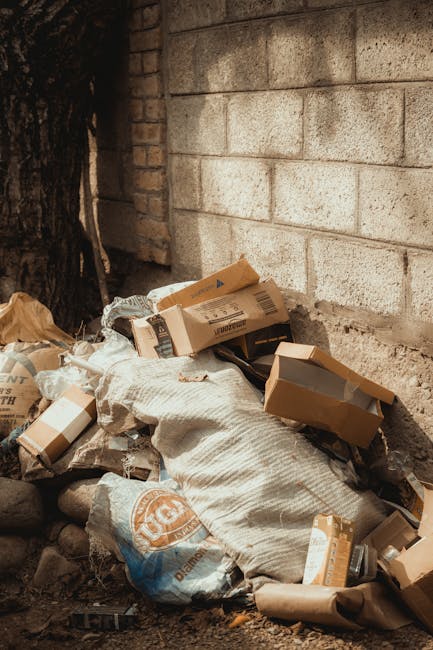
Ware Road residents guide to household rubbish services
If you live on Ware Road, rubbish has a way of turning into a small weekly drama. One bag becomes two, the shed starts groaning, and suddenly you are wondering what counts as household rubbish, what should be recycled, and when a collection service makes more sense than another trip to the tip. This Ware Road residents guide to household rubbish services brings the whole thing down to earth. It explains how local rubbish services typically work, what options are worth considering, and how to avoid the usual headaches without overcomplicating your day.
Whether you are clearing out after a move, dealing with a cluttered garage, or just trying to keep on top of normal household waste, the right approach saves time, money, and a fair amount of stress. Let's face it, nobody wants to spend a Saturday wrestling broken furniture onto a van in the drizzle.
Below, you'll find a practical walk-through of the main service types, the benefits of using a professional team, common mistakes to avoid, and a simple checklist you can use before booking anything. If you want a quick next step once you have a better sense of what you need, take a look at the waste removal service options and the company's pricing and quotes information as part of your comparison.
Quick takeaway: the best household rubbish service is the one that matches your volume, your timing, and the type of waste you actually need removed. Sounds obvious, but people often book the wrong thing. Usually once. Then they get it right.
Why Ware Road residents guide to household rubbish services Matters
Household rubbish sounds simple until you are standing in a hallway with a pile of unwanted stuff and no clear plan. That is where a good local guide becomes useful. Ware Road residents need household rubbish services for all sorts of everyday reasons: end-of-tenancy clearances, spring cleans, loft declutters, garden tidy-ups, after-renovation waste, or the awkward accumulation that happens when life gets busy and storage starts winning.
The local angle matters because homes, access, parking, and waste volumes vary a lot along streets like Ware Road. A service that works beautifully for one property may be awkward for another. A narrow driveway, a top-floor flat, or bulky items that will not fit into the boot can change the whole approach. In practice, the right service should fit the property, the waste type, and the time you have available.
There is also a trust issue. Waste should be handled properly, not dumped somewhere inappropriate. Responsible removal helps protect the local area, supports recycling where possible, and reduces the risk of fly-tipping or missed collections. If you want to do the sensible thing once and avoid doing it twice, that matters more than people sometimes admit.
And yes, a cleaner space has a way of changing the feel of a house. You notice it the moment the bags are gone and the room sounds different. Quieter, somehow.
How Ware Road residents guide to household rubbish services Works
Most household rubbish services follow a fairly straightforward process, although the details vary by provider and by the type of waste. In broad terms, you identify what needs removing, describe the load, agree the collection method, and arrange a time for pickup or clearance. That may sound basic, but the quality of the result often comes down to the questions asked before the van arrives.
For standard household waste, the service may involve bagged rubbish, small mixed loads, old furniture, white goods, garden waste, or general clutter from one room or an entire home. Some jobs are as simple as loading items from the front drive. Others need extra care because of stairs, restricted access, or mixed materials that must be separated.
Many residents also look at related services if the household rubbish is really part of a bigger clear-out. For example, if your garage has become a storage cave, a dedicated garage clearance service may be a better fit. If the problem is upstairs in storage, loft clearance can be more efficient. And if you are stripping out a whole property, a broader house clearance service may be the cleanest option.
The practical side is simple: the cleaner and more organised your description, the smoother the job tends to run. That is true whether you are removing a few bulky items or a houseful of mixed rubbish. A quick phone call or message with photos can save a surprising amount of back-and-forth.
Key Benefits and Practical Advantages
There are a few clear reasons people choose a household rubbish service instead of trying to manage everything themselves. The first is convenience. Waste removal can swallow half a day before you know it, especially when you factor in lifting, sorting, loading, driving, and unloading. A proper service compresses that whole chain into one tidy visit.
The second is safety. Heavy furniture, sharp edges, old appliances, and awkward bags are not fun to manoeuvre on your own. A professional team will usually have the right handling methods, protective equipment, and vehicle capacity to manage the job more safely. That does not mean there is no judgement required. There is. But you are not asking your neighbour, your back, and your car to do all the work.
The third benefit is waste handling. A responsible service should sort recyclable materials where possible and avoid treating everything as mixed refuse. That is especially useful if you have items such as cardboard, metal, furniture, green waste, or reusable goods that can be separated from general rubbish.
Other practical advantages include:
- faster turnaround than DIY disposal in many cases
- less disruption to the home and driveway
- help with bulky or awkward items
- a clearer route for sorting mixed waste
- less risk of accidental damage during lifting or moving
There is also the emotional benefit. A cluttered room can quietly drain your energy. Once it is sorted, the space feels more usable again. That sounds small, but it is not small when you live with it every day.
Who This Is For and When It Makes Sense
This kind of service is useful for a wide range of Ware Road residents, not just people doing a full-scale clear-out. Truth be told, many jobs start with a pretty modest problem. A broken wardrobe here, a pile of builders' offcuts there, a fridge that nobody wants to deal with, and suddenly you are looking at more than a quick tidy-up.
It tends to make sense for:
- homeowners clearing out old furniture or general household clutter
- tenants at the end of a tenancy who need rooms cleared quickly
- landlords preparing a property for new occupants
- families managing accumulated waste after a long build-up
- people clearing gardens, sheds, lofts, or garages
- households dealing with bulky items that are hard to transport
It can also be a good option when you have limited time. If you are working through a move or renovation, you do not always want to spend several evenings making countless small trips to dispose of rubbish properly. Sometimes you just need it gone, cleanly and without fuss.
A sensible rule of thumb: if the waste is too large, too heavy, too much, or too mixed for straightforward bin collection, a dedicated rubbish service is worth considering. If you are only dealing with a few small bags, of course, normal household disposal may be enough. No need to overdo it.
Step-by-Step Guidance
If you are organising household rubbish services for the first time, a simple process helps keep things calm. Not everything needs a spreadsheet, obviously, but a little structure saves a lot of stress.
1. Identify the waste type
Start by separating general household rubbish from bulky items, recyclable materials, garden waste, and anything that might need special handling. That includes things like old mattresses, appliances, plasterboard, or mixed renovation debris. If the load is unusually varied, mention that early.
2. Estimate the volume
You do not need a forensic calculation. A rough idea is fine. One small pile, a quarter van load, half a van load, or a full load is usually enough for an initial quote. If you are unsure, photos are often the easiest way to show what you have. Handy, really.
3. Check access
Think about stairs, narrow paths, parking, gates, and whether the team can reach the waste without making a mess of the hallway. This matters more than people expect. A neat job can become clumsy if access is awkward and nobody has mentioned it.
4. Ask what is included
Find out whether the service includes loading, sweep-up, lifting from indoors, recycling where possible, and disposal. Also ask what cannot be taken. Good providers will explain this clearly rather than burying it in vague language.
5. Choose the right service level
If you are clearing a single room, you may need a smaller-scale rubbish removal option. If the project is broader, a home clearance service might be more efficient. For items like sofas, chairs, or dining sets, a dedicated furniture clearance or furniture disposal service can be the better fit.
6. Prepare the area
Move small items out of the way if you can, open access routes, and keep fragile belongings clear of the collection path. If you are at home during the removal, stay available in case the team needs clarification. It saves time and keeps the process smooth.
7. Confirm the final plan
Before the job starts, make sure you are clear on timing, the estimated load, and any special instructions. A good provider will confirm the practical details so nobody is guessing when the van arrives. Guessing is rarely a good strategy with rubbish. Funny how that works.
Expert Tips for Better Results
There are a few small habits that make household rubbish services much easier to manage. These are the kinds of things that do not sound dramatic, but they save time and money in real life.
Keep like with like. If you can separate reusable furniture, green waste, and general rubbish before collection, it is often easier for the team to handle the load efficiently. Even a basic sort can help.
Take quick photos in natural daylight. In our experience, a photo taken by the front window at 10 a.m. tells the story much better than a dark hallway shot at night. It helps the provider understand volume and access, and you are less likely to be underquoted or overquoted.
Be honest about awkward items. Old wardrobes, broken beds, builder's debris, and damp garden waste can all affect the job. If it feels awkward to mention, mention it anyway. That is usually the thing that needs mentioning most.
Ask about sorting and recycling. Responsible waste services should aim to recycle or divert suitable materials where practical. A provider that explains this plainly is usually easier to trust than one that says nothing at all.
Think about timing. Early morning collections can be useful if you want the rest of the day clear. But if parking is tighter later in the day, a quieter time slot may work better. Small thing, big difference.
Use the job as a reset. If you are already removing rubbish, it can be worth clearing the adjacent shelf, drawer, or corner at the same time. Not a full-life-overhaul moment. Just a sensible bit of tidy momentum.
For households that want to understand broader environmental handling, the company's recycling and sustainability information is a useful place to start. It helps set expectations around responsible disposal rather than pure throw-and-go thinking.
Common Mistakes to Avoid
A lot of rubbish-service problems come from simple misunderstandings, not major disasters. The good news is that most of them are avoidable.
Underestimating the volume. This is probably the most common one. A pile that looks manageable from the doorway can expand fast once it is stacked, sorted, and measured properly. If you are unsure, round up a little rather than guessing low.
Mixing prohibited or special items with general rubbish. Some materials need separate handling. If you are not sure whether something can go in a standard collection, ask before the day of removal. Do not leave surprises for the team. Nobody likes surprise chemicals, to be honest.
Not checking access. A van can only do so much if there is no safe place to park or no clear route to the load. Mention low gates, tight corners, or awkward stairs early.
Assuming everything is included. Some services may not include dismantling, heavy lifting from inside, or disposal of certain appliances. Clarify the scope first.
Leaving sorting until collection day. If you are trying to separate reusable items from general waste, leaving it until the last minute tends to slow everything down. Even a rough sort the night before can help a lot.
Choosing purely on price. Cheap is tempting. Of course it is. But an unrealistically low quote can become annoying if the job expands or the service is vague about what happens next. A fair price with clear terms is usually better value.
Tools, Resources and Recommendations
You do not need a huge toolkit to prepare household rubbish for collection, but a few basics make life easier.
- Heavy-duty bin bags: useful for bagged household waste and smaller mixed items
- Work gloves: helpful when handling sharp or dusty materials
- Marker pen and labels: useful for separating keep, recycle, and remove items
- Blanket or dust sheet: protects floors and hallways when moving awkward items
- Phone camera: ideal for taking photos of the load before booking
For larger or more specific jobs, it may help to look at tailored services rather than forcing everything into one general category. A garden pile after a long wet week may suit garden clearance. Renovation scraps may call for builders waste clearance. Office equipment and paper waste belong in a different conversation again, and office clearance can be more appropriate than household removal.
If you are trying to decide how much support you actually need, it can also help to read the company's about us page to understand how they work, or review health and safety policy details if you are particularly conscious of how the job will be handled.
And if your issue is partly budget-driven, the most useful resource is usually a clear written quote. The point is not just price. It is scope. What is removed, what is excluded, and how the team manages the job matters more than a headline number alone.
Law, Compliance, Standards, or Best Practice
When household rubbish is being removed, there is a basic expectation that waste is handled responsibly and lawfully. In plain English: it should not be dumped, mishandled, or treated as if it can disappear by magic. Unfortunately rubbish never disappears by magic. We have all checked.
For residents, the main practical point is to use a provider that operates transparently and treats disposal seriously. That includes appropriate sorting, sensible handling of recyclables, and clear communication about items that cannot be taken as part of a standard service. If a company avoids answering simple questions, that is usually a red flag.
Best practice also includes:
- clear descriptions of the load before booking
- safe lifting and moving methods
- respect for property access and shared spaces
- reasonable recycling efforts where suitable
- proper disposal routes for the waste collected
If you are concerned about a particular item, ask in advance. That is especially important for electrical goods, large fittings, sharp materials, or anything that may require separate treatment. A good service will tell you honestly what can and cannot be accepted.
It is also sensible to check practical business details such as insurance and safety, the company's terms and conditions, and the privacy policy if you are sharing photos or contact details online. A little diligence goes a long way here.
Expert summary: the safest and most efficient household rubbish service is the one that is clear about waste type, transparent about costs, careful on-site, and sensible about recycling. Simple, but worth insisting on.
Options, Methods, or Comparison Table
Not every rubbish problem needs the same solution. Here is a practical comparison to help you decide which route suits the job.
| Option | Best for | Pros | Things to watch |
|---|---|---|---|
| Normal household bins | Small, routine waste | No booking needed, simple for everyday use | Not suitable for bulky or large-volume waste |
| DIY tip run | Moderate loads you can safely transport | Direct control, can work well for sorted waste | Time-consuming, lifting and vehicle space can be a pain |
| General rubbish removal | Mixed household waste and bulky items | Fast, convenient, usually includes loading | Costs more than doing it yourself, needs clear quoting |
| House clearance | Whole rooms, large clear-outs, multiple item types | Efficient for larger jobs, less stress | May be more than you need for a small pile |
| Specialist clearance | Furniture, garden, loft, garage, or builders waste | Better suited to one specific waste stream | Choose the right category or you may get an unsuitable quote |
For many Ware Road households, the best choice sits somewhere in the middle. Not full house clearance, not just a few bin bags. A focused rubbish removal service often gives the right balance of convenience and value.
Case Study or Real-World Example
A typical example: a family on Ware Road decides to clear out a spare room before a new baby arrives. At first, it looks like a "few bags and an old chair" situation. Then they open the wardrobe. Then the loft hatch. Then the corner behind the door that has quietly collected boxes for four years. You know how it goes.
Instead of making several DIY trips, they sort the items into three groups: keep, recycle, and remove. A few pieces of furniture go into a dedicated furniture collection, some general household clutter is grouped for removal, and old bits from the garage are added once they realise they might as well do that too. The key win is not just getting the rubbish out. It is avoiding three separate weekends of half-finished decluttering.
What made the process smoother?
- they took clear photos before booking
- they mentioned access issues near the front path
- they checked what items could be removed together
- they kept fragile items out of the collection route
The result was a quicker job, a calmer house, and one room that actually felt usable again. No drama. Just less clutter and a bit more breathing room.
Practical Checklist
Use this checklist before you arrange a household rubbish service on Ware Road. It keeps things straightforward.
- Have I identified exactly what needs removing?
- Do I know whether the load is general waste, furniture, garden waste, or mixed?
- Have I taken clear photos of the items?
- Have I checked access, parking, stairs, and entry points?
- Do I know whether anything needs to be separated first?
- Have I asked what is included in the service?
- Am I clear on any items that cannot be taken?
- Have I compared the quote with the actual scope of the job?
- Is the timing realistic for my schedule?
- Have I kept fragile or valuable items away from the clearance area?
Before collection day: open doors where needed, move pets to a safe space, and make a clear path to the waste. Those little practical steps make a bigger difference than people expect.
Conclusion
Household rubbish services on Ware Road are about more than getting rid of unwanted stuff. Done well, they save time, reduce stress, protect your property, and give you a cleaner, more usable home. The real trick is choosing the right service for the actual job, not the job you wish it was. That distinction matters.
If you remember only one thing, make it this: be clear about the waste, honest about the volume, and picky about the details. A good provider will respect that. And once the last bag is gone and the space opens up, you will feel it straight away. It is a small relief, but a proper one.
If you are ready to move from planning to action, take a moment to review the available service information and compare what fits your household best. A tidy home often starts with one sensible decision, and that is usually all it takes to get the ball rolling.
Get a free quote today and see how much you can save.
Frequently Asked Questions
What counts as household rubbish for collection?
Household rubbish usually includes general waste, bagged clutter, small broken items, and some bulky household goods. The exact scope depends on the provider, so it is always best to describe your load clearly before booking.
Can I mix furniture and general rubbish in one service?
Often yes, but it depends on the type of service and the items involved. Furniture, general waste, and recyclable materials may all be collected together if the provider offers mixed-load removal, though some items may need separate handling.
How do I know whether I need house clearance or rubbish removal?
If you have a few bags, a couple of bulky items, or a moderate mixed load, rubbish removal may be enough. If you are clearing multiple rooms, an entire property, or a much larger volume of items, house clearance is usually the better fit.
Is it cheaper to do it myself?
Sometimes, yes. A DIY tip run can be more affordable if you have the vehicle, time, and physical ability. But once you factor in loading, fuel, time, and multiple trips, a professional service can become better value, especially for heavier or awkward jobs.
What should I prepare before collection day?
Sort the waste as best you can, take photos if needed, clear access routes, and separate fragile items from the removal area. If possible, group similar items together so the team can work more efficiently.
Can old appliances be collected with household rubbish?
Sometimes, but appliances may need separate handling depending on their type and condition. It is best to mention fridges, freezers, washers, or other electrical items in advance so the provider can confirm whether they can be taken.
How long does a typical rubbish removal take?
That depends on the volume, access, and type of waste. A small collection might be done quickly, while a larger or more awkward job can take longer. The smoother the access and the clearer the load, the faster it usually goes.
Do I need to be at home during the collection?
Not always, but it is often helpful. If the team needs access guidance or you want to confirm items on the day, being present makes things easier. For some straightforward jobs, arrangement in advance may be enough.
What happens to the rubbish after it is collected?
Responsible providers sort the waste and direct it through appropriate disposal or recycling routes where possible. The exact process varies, so it is sensible to ask about recycling and disposal practices before you book.
Are there items a standard service will not take?
Yes, usually. Certain hazardous, restricted, or specialist items may need separate handling. If you are unsure, name the item when requesting a quote so you get a clear answer rather than an awkward surprise on the day.
How can I get the best value from a rubbish service?
Be accurate about the volume, clear about access, and specific about the waste type. Compare what is included, not just the headline price. The best value usually comes from a clear quote and a service that matches the real job.
What if I only have a small amount of rubbish?
If it is just a few bags and it fits within normal household disposal, you may not need a dedicated service. But if the items are bulky, difficult to move, or mixed with furniture or garden waste, booking a collection can still be worthwhile.
Household rubbish never looks glamorous, but getting it handled properly does make a real difference. And once the clutter is gone, the house feels lighter. That part never gets old.